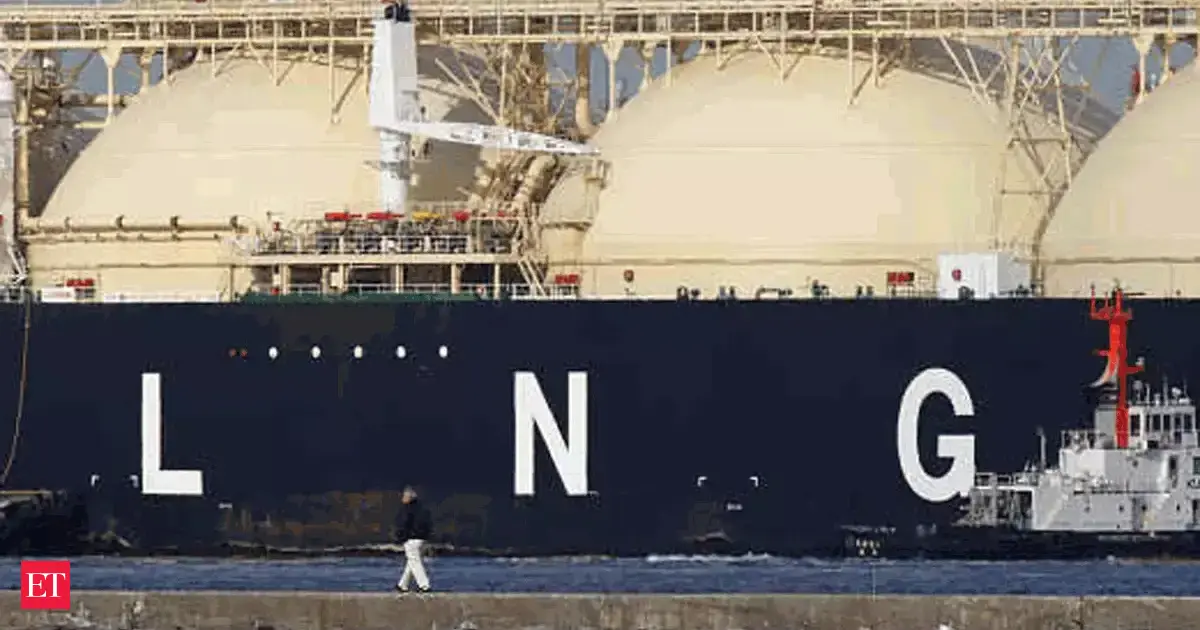
Indian state-backed energy companies are procuring liquefied natural gas (LNG) from the spot market at prices exceeding $23 per million British thermal units (mmbtu), marking the most expensive imports since 2022. This surge is a direct consequence of ongoing disruptions to global supplies caused by the Iran war and the effective closure of the Strait of Hormuz.
The escalating spot LNG prices in India underscore the severe impact of Middle East geopolitical instability on Asian energy security and market dynamics. With traditional long-term contracts from Qatar compromised, India's pivot to the volatile spot market intensifies competition and drives up costs across the region, particularly for critical sectors like fertilizer production.
Executive Summary
Indian energy firms, including GAIL India Ltd. and Gujarat State Petroleum Corp., have recently paid over $23/mmbtu for September-delivery LNG cargoes, reflecting multi-year highs. These elevated costs stem from the Iran war, which damaged Qatar's major export terminal in March and continues to disrupt shipping through the vital Strait of Hormuz. The Indian government's push to secure gas for fertilizer producers is forcing state-backed companies into a highly competitive spot market, where they are now vying with European buyers facing their own supply concerns.
What Happened
In March, Iranian attacks damaged Qatar's massive LNG export terminal, a key supplier to India, and subsequently led to significant disruptions in shipping through the Strait of Hormuz. This forced Indian energy companies, traditionally reliant on long-term contracts, to increasingly turn to the volatile spot market. State-run entities like GAIL India and Gujarat State Petroleum Corp. recently secured September cargoes at prices exceeding $23/mmbtu.
Key Developments
- Record Spot Prices: Indian energy companies are paying over $23/mmbtu for September LNG cargoes, the highest prices seen since 2022.
- Supply Disruptions: The Iran war damaged Qatar's LNG export terminal and severely disrupted shipping through the Strait of Hormuz, limiting traditional supply routes.
- Increased Competition: India is now competing with European LNG buyers, who are also facing soaring gas prices and supply concerns, further tightening the global spot market.
Regional Context
The Middle East conflict has profoundly reshaped Asia-Pacific energy flows, with the Strait of Hormuz disruption forcing major importers like India to re-evaluate supply strategies and incur higher costs. This regional shift highlights the vulnerability of Asian economies to geopolitical instability in key energy transit chokepoints.
Market Impact
For traders, the heightened demand from India and Europe signals sustained upward pressure on Asian spot LNG benchmarks, potentially widening spreads. Refiners face increased input costs for natural gas, impacting profitability and potentially leading to fuel switching where feasible. Analysts will closely monitor inventory levels and further developments in the Strait of Hormuz, as well as the long-term contracting strategies of Asian buyers.
Outlook
Expect continued volatility in Asian LNG spot prices as the Iran war persists and global supply chains remain constrained. India's reliance on spot purchases will likely continue, pushing the government to explore further diversification and domestic gas production incentives.