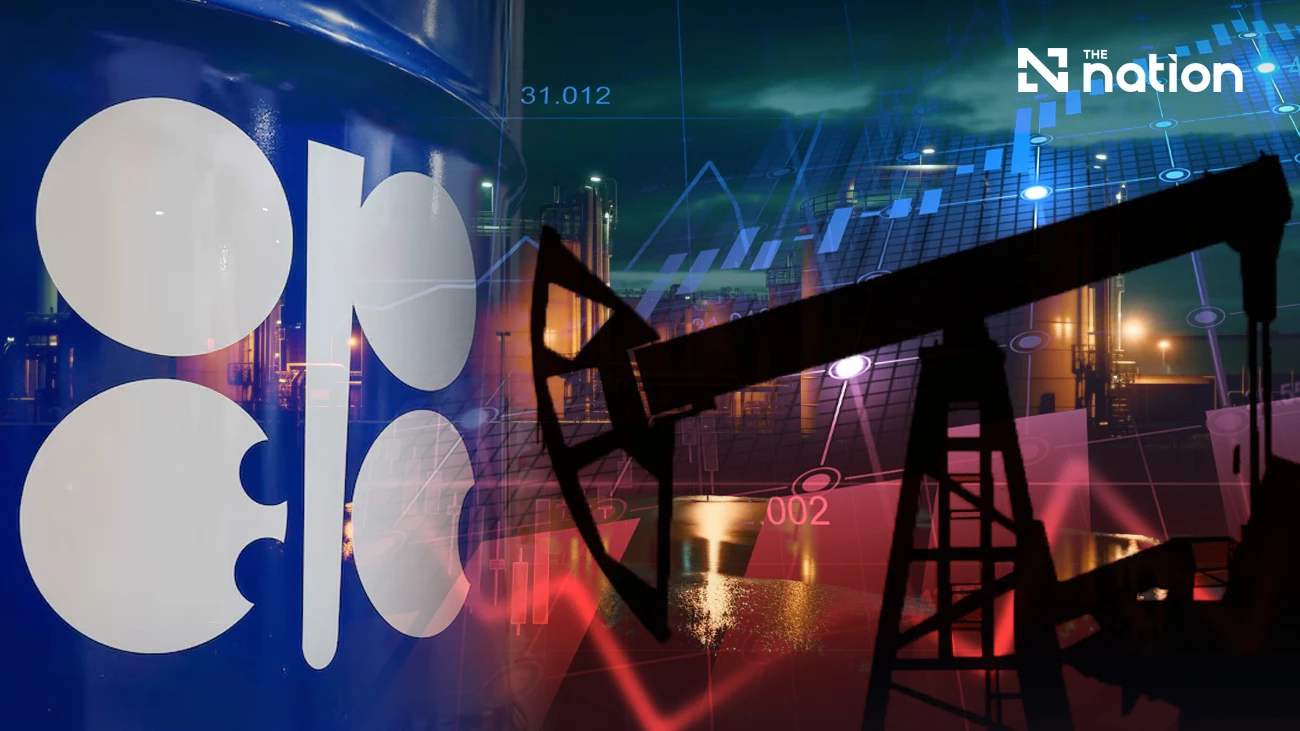
Seven key OPEC+ producers have opted to hold October oil production quotas steady at September levels, pausing further supply increases amidst ongoing disruptions to Strait of Hormuz exports caused by the Iran war. This decision underscores the alliance's cautious approach to market stability as geopolitical tensions complicate global crude flows.
The alliance's move to freeze output, rather than implement further increases, signals a significant shift in focus from monthly adjustments to the more complex task of establishing 2027 production baselines. The persistent conflict in the Middle East, particularly its impact on critical shipping lanes, has severely constrained actual crude exports, rendering paper quota adjustments less effective in influencing physical supply.
Executive Summary
OPEC+ members, including Saudi Arabia, Russia, and Iraq, virtually convened on September 6, 2026, agreeing to maintain their September production targets for October. This pause in output increases directly responds to the Iran war, which continues to impede oil exports through the vital Strait of Hormuz. Despite previously announced voluntary adjustments, actual production by these nations remains significantly below their targets due to export limitations.
What Happened
On September 6, 2026, seven OPEC+ countries—Saudi Arabia, Russia, Iraq, Kuwait, Algeria, Kazakhstan, and Oman—held a virtual meeting to assess global market conditions. They decided to keep their required oil production levels for October unchanged from September, citing the ongoing Iran war and its impact on Strait of Hormuz exports.
Key Developments
- Quotas Maintained: OPEC+ members will sustain September's production levels for October, halting previously planned increases.
- Hormuz Disruption: The decision is a direct response to the Iran war, which is severely disrupting oil exports through the Strait of Hormuz.
- 2027 Baselines Critical: The group's attention is now shifting to reviewing production capacities and establishing new baselines for 2027, which will shape future quotas.
Regional Context
The ongoing conflict involving Iran has profoundly impacted Middle East crude supply, particularly through the Strait of Hormuz, a choke point for a substantial portion of global oil trade. This geopolitical instability forces Gulf exporters to navigate complex logistical challenges and re-evaluate long-term energy security strategies.
Market Impact
For traders and refiners, the unchanged OPEC+ quotas, coupled with actual underproduction due to export constraints, signal continued tightness in physical crude markets. Analysts anticipate sustained price volatility as the market grapples with supply uncertainty and the potential for prolonged disruptions extending into 2027.
Outlook
The next OPEC+ meeting on October 4 will be closely watched for further signals on market conditions, though the more significant policy discussions are expected to focus on the 2027 production framework. The enduring geopolitical risks in the Middle East will likely keep a substantial risk premium embedded in oil prices for the foreseeable future.