Vietnam's Cai Mep liquefied natural gas (LNG) import terminal has officially begun gas deliveries to the 4 GW Phu My power complex, signaling a critical advancement in the nation's energy security strategy. This operational milestone establishes the facility as Vietnam's first privately-owned terminal to supply regasified LNG to the vital power hub, poised to reshape regional gas flows.
The commencement of operations at Cai Mep is a pivotal development for Vietnam's burgeoning LNG-to-power sector, underscoring the country's commitment to diversifying its energy mix away from coal and enhancing grid stability. This new infrastructure will significantly bolster Vietnam's capacity to meet escalating electricity demand, creating new opportunities for regional LNG suppliers and infrastructure investors.
Executive Summary
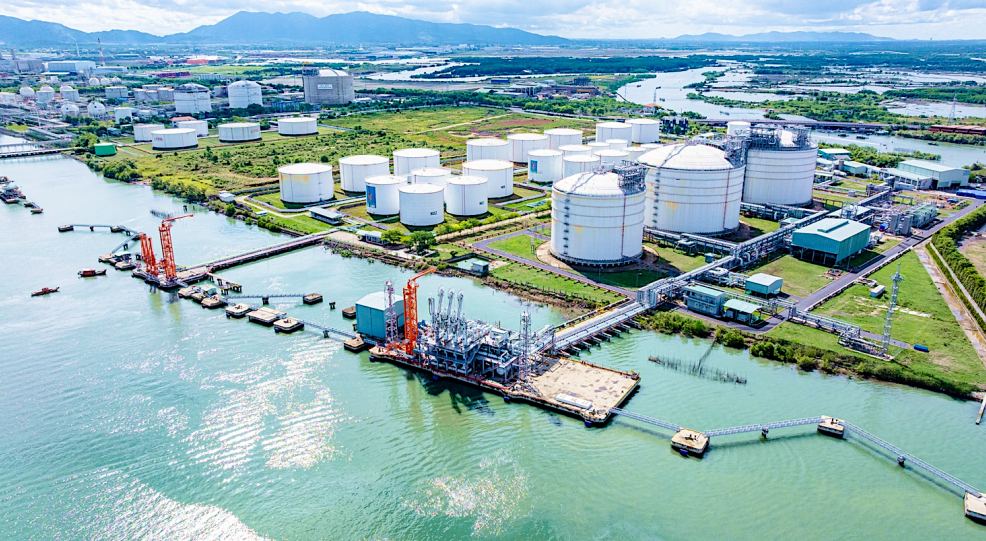
The Cai Mep LNG terminal, now fully commissioned, has initiated gas send-out to the Phu My 2.1 and 2.1E power plants, integrating its operations with the pipeline and power complex ahead of long-term commercial activities. Owned by AG&P LNG, which acquired a 100% stake from Hai Linh, the facility boasts a 3 million tonnes per annum (mtpa) capacity with potential for expansion. This marks the second operational LNG import terminal in Vietnam, complementing the existing PetroVietnam Gas-operated Thi Vai terminal and solidifying the country's strategic pivot towards gas-fired power generation.
What Happened
On July 17, 2026, the Cai Mep LNG import terminal commenced gas deliveries to the Phu My power complex, following the completion of commissioning for its connecting pipeline and gas distribution station. This event signifies the terminal's full operational readiness to supply regasified LNG to Vietnam's largest gas-fired power generation hub.
Key Developments
- First Private Terminal: Cai Mep is Vietnam's first private terminal to deliver regasified LNG directly to the critical Phu My power complex.
- Significant Capacity: The terminal has an initial capacity of 3 mtpa, with built-in flexibility to double its throughput in the future.
- Strategic Infrastructure: Featuring three onshore tanks with 220,000 cubic meters of storage and 14 truck-loading bays, Cai Mep is a key node in Vietnam's emerging LNG-to-power supply chain.
Regional Context
Vietnam's increasing reliance on LNG imports reflects a broader Southeast Asian trend towards gas as a transition fuel, driven by economic growth and environmental targets. The operationalization of Cai Mep enhances regional energy security and positions Vietnam as a growing player in the Asian LNG market.
Market Impact
For traders, the new terminal adds a significant demand center in Southeast Asia, potentially influencing spot LNG prices and long-term contract negotiations. Refiners and analysts will monitor the shift in Vietnam's energy mix, as increased gas-fired power generation could impact demand for other fuels and regional refining margins. The facility's break-bulk and truck-loading capabilities also open new avenues for industrial gas distribution.
Outlook
The successful launch of Cai Mep is expected to accelerate further investment in Vietnam's LNG infrastructure and gas-fired power generation. Future developments will focus on securing long-term LNG supply contracts and expanding distribution networks to meet the nation's ambitious energy transition goals.