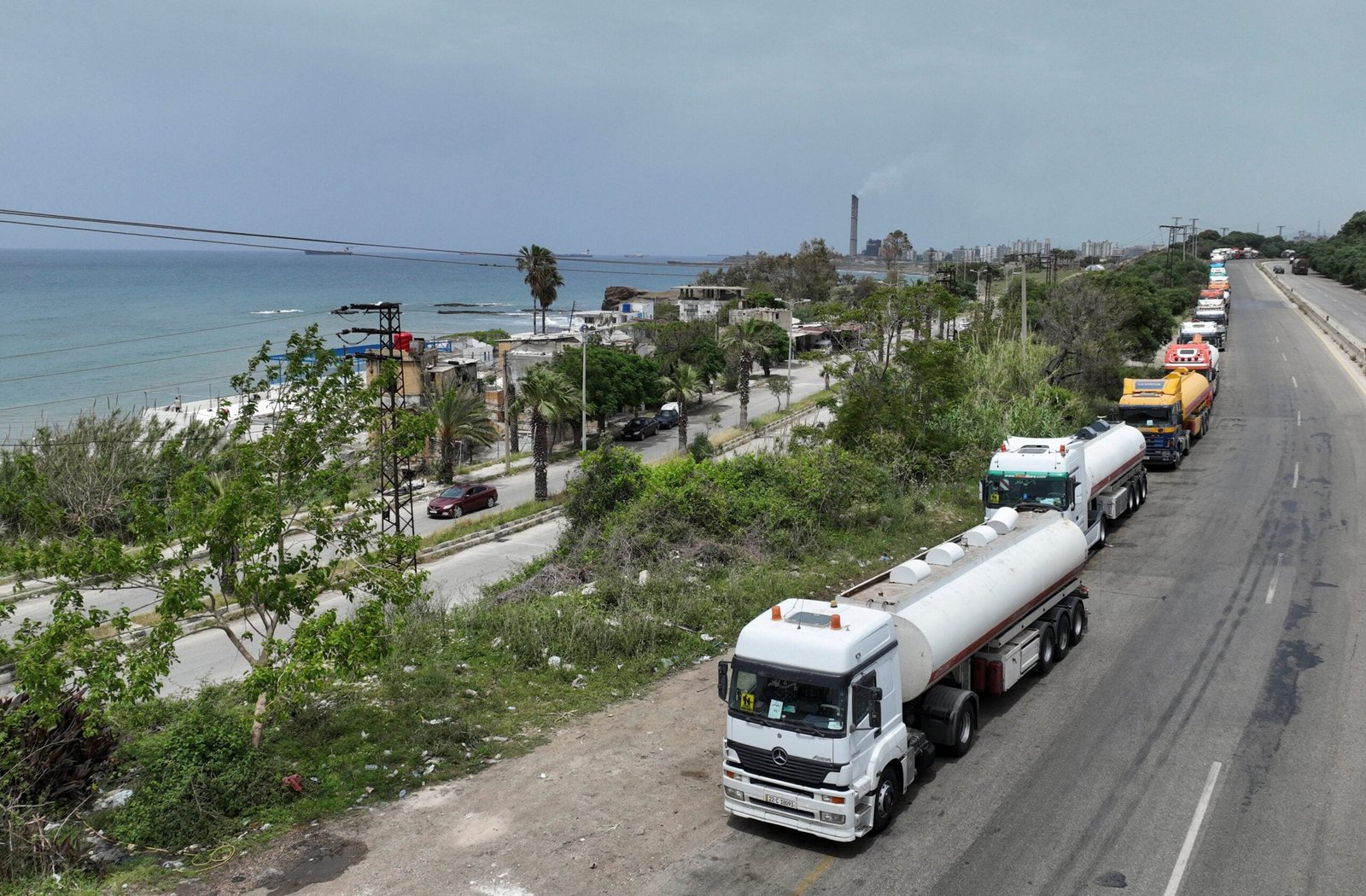
Iraq has dramatically re-routed its fuel oil exports through Syria via an extensive trucking operation, effectively transforming its neighbor into a critical Middle Eastern export hub and circumventing the volatile Strait of Hormuz. This strategic shift underscores the profound impact of the Iran war on regional energy flows and global supply chains.
The ongoing geopolitical tensions and the effective closure of the Strait of Hormuz have compelled Gulf producers to seek alternative export routes, making this Iraqi initiative a significant development. It highlights the market's urgent need for resilient supply mechanisms and signals a potential long-term reshaping of Middle Eastern energy infrastructure.
Executive Summary
In a significant move to mitigate risks associated with the Strait of Hormuz, Iraq has deployed thousands of trucks to transport fuel oil through Syria, establishing a new major export corridor to Mediterranean ports. This logistical pivot has enabled Syria to become the Middle East's largest shipper of fuel oil, accounting for 28% of regional volumes in June. The initiative, which takes approximately four days for trucks to reach Syrian ports, demonstrates a proactive regional response to persistent maritime chokepoint vulnerabilities and the need to prevent refinery shutdowns due to storage constraints.
What Happened
Iraq initiated a large-scale trucking operation to move fuel oil through Syria, bypassing the Strait of Hormuz, which has been impacted by the Iran war. This effort has seen Syria's role as an export hub surge, with 720,000 tons of fuel oil exported in June, up from about 500,000 tons in May. Other Gulf producers are also exploring similar pipeline and infrastructure expansion projects to diversify export routes.
Key Developments
- Hormuz Bypass: Iraq is trucking fuel oil through Syria and Jordan to circumvent the Strait of Hormuz, which has been affected by the Iran war.
- Syria as Hub: Syria has rapidly become the Middle East's top fuel oil export hub, handling 28% of regional volumes in June, with thousands of trucks reaching its Mediterranean ports.
- Regional Adaptation: Other Persian Gulf countries are actively exploring existing or new pipelines and expanding port infrastructure outside the Strait of Hormuz to reduce reliance on the chokepoint.
Regional Context
The ongoing Iran war and its impact on the Strait of Hormuz, a critical global chokepoint for about a fifth of the world's oil supply, are driving Middle Eastern nations to develop new, more secure export pathways. This strategic diversification aims to reduce reliance on the vulnerable strait and maintain crude and product flows amidst heightened geopolitical instability.
Market Impact
For traders and refiners, this development offers a new, albeit more expensive and less efficient, supply route for Middle Eastern fuel oil, potentially easing some immediate supply anxieties but adding to logistical costs. Analysts will closely monitor the scalability and sustainability of these alternative routes, as they could influence regional benchmark pricing and long-term investment in energy infrastructure.
Outlook
The success of Iraq's overland route and similar initiatives by other Gulf states will be crucial in determining the future resilience of Middle East crude and product exports. Further investments in bypass infrastructure, including crude oil pipelines, are anticipated as regional players seek to insulate supply from geopolitical disruptions.