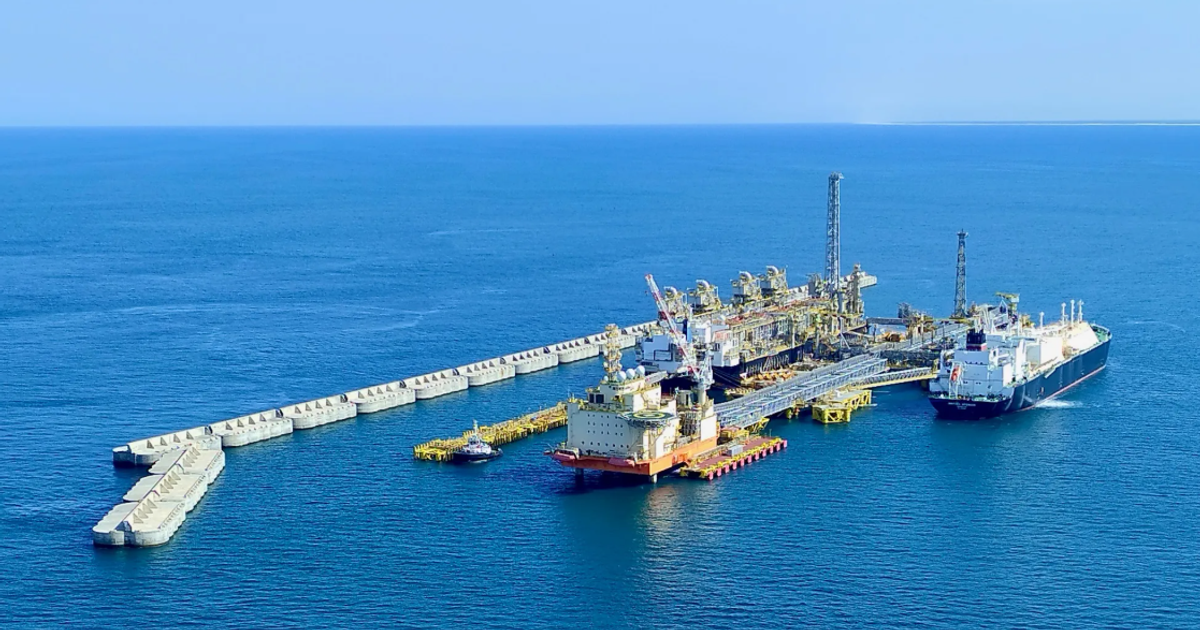
Mauritania and Senegal have officially joined the ranks of global liquefied natural gas (LNG) exporters, propelled by the launch of the landmark $4.6 billion Greater Tortue Ahmeyim (GTA) cross-border gas project. This development significantly expands Africa's LNG export club and intensifies competition for market share, long dominated by established players like Nigeria and Algeria.
The entry of these two West African nations into the global LNG market is a pivotal moment, signaling Africa's growing strategic importance as a reliable energy supplier amid heightened geopolitical uncertainties. It underscores a broader continental trend towards monetizing vast natural gas reserves to meet surging global demand for energy security.
Executive Summary
Africa's LNG export landscape is undergoing a significant transformation with Mauritania and Senegal commencing exports from the $4.6 billion Greater Tortue Ahmeyim (GTA) project. This cross-border initiative marks a new era for the continent, adding two new players to a market historically led by Nigeria and Algeria. The move comes as global LNG trade hit a record 437 million tonnes in 2025, with Africa increasingly positioned to supply this growing demand.
What Happened
On July 9, 2026, Mauritania and Senegal officially became LNG exporters with the launch of the Greater Tortue Ahmeyim (GTA) project. This $4.6 billion offshore development, straddling their maritime border, has propelled both nations into the global LNG market.
Key Developments
- New Exporters Emerge: Mauritania and Senegal have commenced LNG exports through the $4.6 billion Greater Tortue Ahmeyim (GTA) project.
- Market Competition Heats Up: The entry of these new players intensifies competition within Africa's LNG export market, challenging the long-standing dominance of Nigeria and Algeria.
- Record Global LNG Trade: The development coincides with a record global LNG trade of 437 million tonnes in 2025, highlighting strong international demand for gas.
Regional Context
This expansion of Africa's LNG export capabilities positions the continent as a crucial supplier in a global market seeking diversified energy sources. It reflects a broader trend of African nations leveraging their natural gas reserves for economic development and enhanced energy security.
Market Impact
For traders and analysts, the increased supply from new African sources like Mauritania and Senegal provides greater optionality and could influence regional pricing dynamics. Refiners and industrial consumers will watch for the stability and volume of these new supplies, which contribute to a more diversified global LNG portfolio, potentially mitigating supply risks from other volatile regions.
Outlook
The success of the GTA project is expected to encourage further investment in African upstream gas developments and associated LNG infrastructure. Future developments will likely focus on how these new entrants scale up production and integrate into the global supply chain, potentially attracting more foreign direct investment into the continent's energy sector.