China's State Council has unveiled a comprehensive action plan for peaking carbon emissions during the 15th Five-Year Plan period (2026-2030), setting ambitious targets to reduce carbon dioxide emissions per unit of GDP by 17% from 2025 levels by 2030. This critical policy move underscores Beijing's commitment to its long-term climate goals and will significantly reshape the nation's energy landscape.
The newly released plan is crucial for global energy markets as China, the world's largest energy consumer and emitter, outlines a definitive roadmap for decarbonization, impacting demand for fossil fuels and accelerating investment in renewable energy technologies across the Asian region and beyond.
Executive Summary
The State Council's action plan, published on July 10, 2026, details China's strategy to achieve its carbon peak before 2030, a key step towards its 2060 carbon neutrality pledge. Beyond the 17% GDP carbon intensity reduction, the plan mandates increasing the share of non-fossil fuels in total energy consumption to 25% by 2030, up 3.3 percentage points from 2025 levels. It also includes specific targets for installed wind, solar, hydropower, and nuclear capacities, signaling a massive shift in the country's energy mix and industrial practices.
What Happened
On July 10, 2026, China's State Council issued its action plan for carbon peaking during the 15th Five-Year Plan (2026-2030), outlining key tasks and measures to achieve the goal. This follows the earlier release of the 15th Five-year Plan for the construction of a new energy system by the National Development and Reform Commission (NDRC) and the National Energy Administration (NEA) on June 26.
Key Developments
- Emissions Target: China aims to cut carbon dioxide emissions per unit of GDP by 17% from 2025 levels by 2030.
- Energy Mix Shift: Non-fossil fuels are targeted to comprise 25% of total energy consumption by 2030, a 3.3 percentage point increase from 2025.
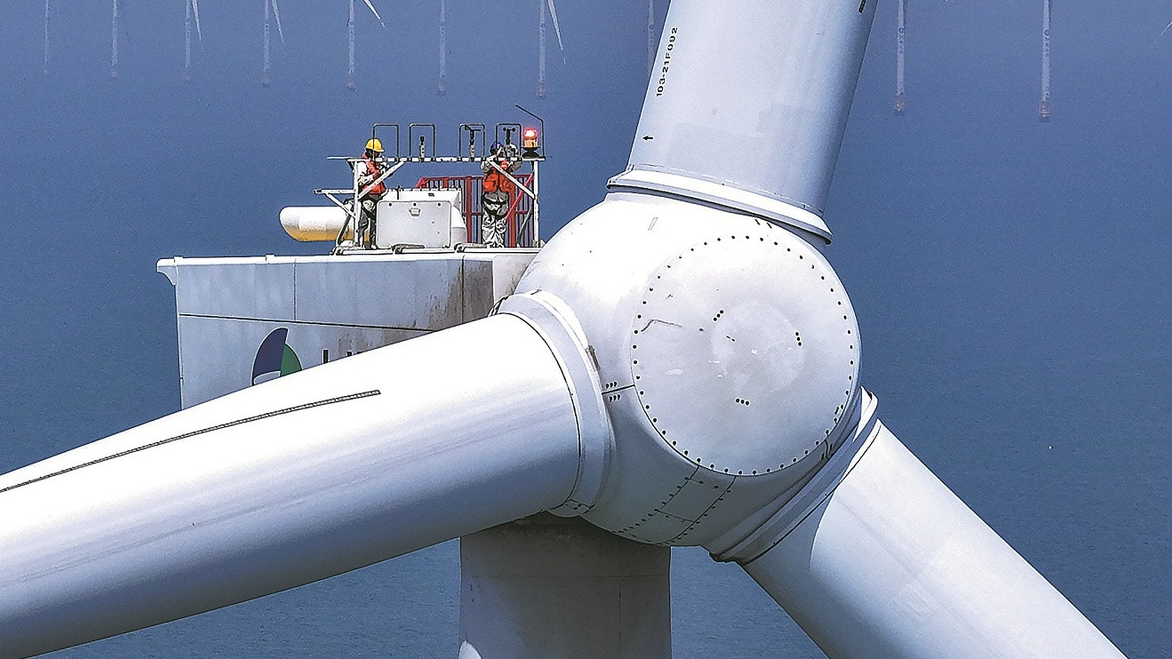
- Renewable Capacity: By 2030, installed wind and solar power capacity should reach at least 2.8 billion kilowatts, with conventional hydropower at 410 million kW and nuclear power at 110 million kW.
Regional Context
As the world's second-largest economy and a major energy consumer, China's aggressive decarbonization strategy will have profound implications for global climate efforts and energy trade, particularly within Asia, influencing regional investment flows and technology adoption.
Market Impact
The plan signals a sustained decline in China's fossil fuel demand growth, potentially easing global oil and gas price pressures while driving significant investment opportunities in renewable energy, grid infrastructure, and green technologies. Traders and analysts will closely monitor the implementation pace and its effects on commodity markets and supply chains.
Outlook
Future developments will focus on the detailed execution of these policies, including provincial-level targets and the effectiveness of market mechanisms, as China navigates its economic growth alongside stringent environmental commitments.