Russia has imposed an immediate ban on diesel exports through July 31, a move that has sent European diesel margins to record highs amid an already tight global market. This decision, stemming from domestic fuel shortages caused by Ukrainian drone attacks on refineries, exacerbates Europe's energy security challenges as global LNG supplies also face renewed disruptions from the Strait of Hormuz crisis.
This confluence of events underscores Europe's persistent vulnerability to geopolitical shocks and sanctions' unintended consequences, forcing traders and policymakers to navigate a complex landscape of elevated prices, supply competition, and the critical need to secure winter gas storage. The market is now grappling with both refined product scarcity and renewed uncertainty in gas supply, impacting industrial and consumer costs across the continent.
Executive Summary
Europe's energy markets are facing a dual shock as Russia halts diesel exports and Middle East LNG supplies remain constrained by the Strait of Hormuz crisis. The Russian ban, effective until July 31, has pushed European diesel refining margins to unprecedented levels, intensifying competition for alternative supplies. Concurrently, Qatar's decision to suspend rapid LNG production restoration following a tanker attack further tightens global gas markets, raising concerns for Europe's winter storage replenishment and driving up gas prices.
What Happened
Russia implemented an immediate ban on diesel exports on July 8, 2026, in response to domestic fuel shortages and soaring prices caused by Ukrainian drone attacks on its refineries. This action followed a significant collapse in Russian seaborne diesel exports in June. Simultaneously, Qatar announced a suspension of plans to quickly restore LNG production at its Ras Laffan complex after a tanker attack in the Strait of Hormuz, delaying a recovery in global LNG supplies.
Key Developments
- Diesel Ban Impacts Europe: Russia's diesel export ban, effective until July 31, has driven European diesel margins to record highs, forcing buyers to seek alternative supplies in an already constrained market.
- LNG Supply Concerns Mount: Qatar's delayed LNG production recovery due to a Strait of Hormuz tanker attack intensifies global supply concerns, pushing European gas prices higher and increasing competition with Asian buyers.
- Russian LNG Exports Persist: Despite Western sanctions, Russian LNG exports increased by 11.3% year-on-year in the first half of 2026, with Europe remaining its largest regional market.
Regional Context
These developments unfold against a backdrop of ongoing conflict in Ukraine and heightened tensions in the Middle East, directly impacting Europe's energy supply chains and underscoring the continent's efforts to diversify away from Russian fossil fuels while managing new geopolitical risks. The EU's energy security framework is under continuous pressure to adapt to these evolving threats.
Market Impact
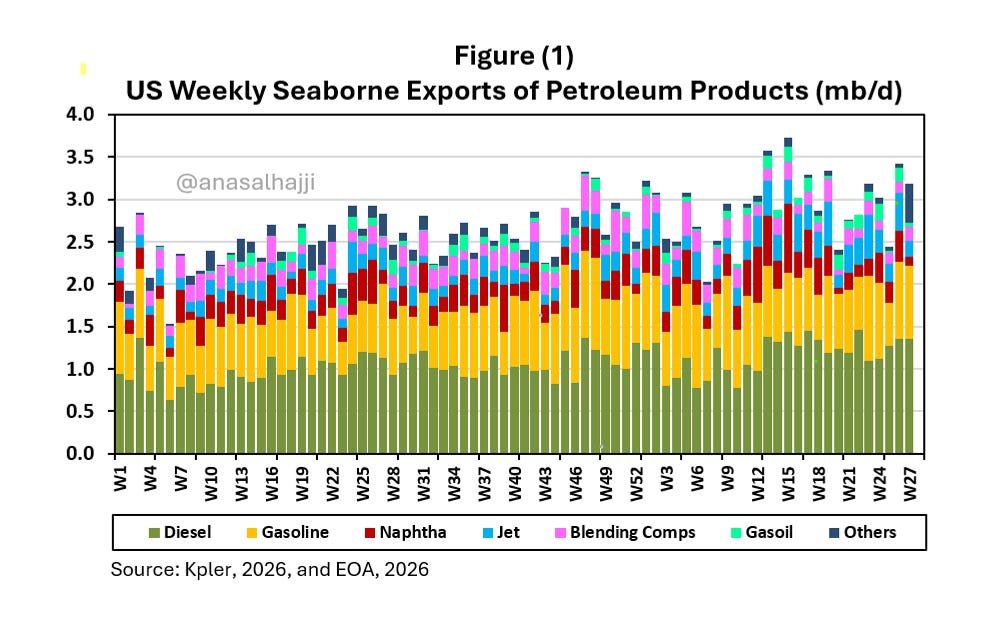
Traders are bracing for sustained volatility in both refined products and natural gas markets, with European refiners facing elevated feedstock costs and strong diesel crack spreads. Analysts anticipate tighter competition for LNG cargoes between Europe and Asia, potentially leading to higher TTF gas prices and increased costs for industrial and residential consumers. The situation also highlights the critical role of US petroleum product exports in balancing global markets.
Outlook
The immediate outlook points to continued elevated energy prices and supply chain anxieties, with market participants closely monitoring the duration of Russia's diesel ban and the resolution of Middle East LNG disruptions. Europe's ability to meet its winter gas storage targets will largely depend on securing sufficient LNG volumes amidst intense global competition.