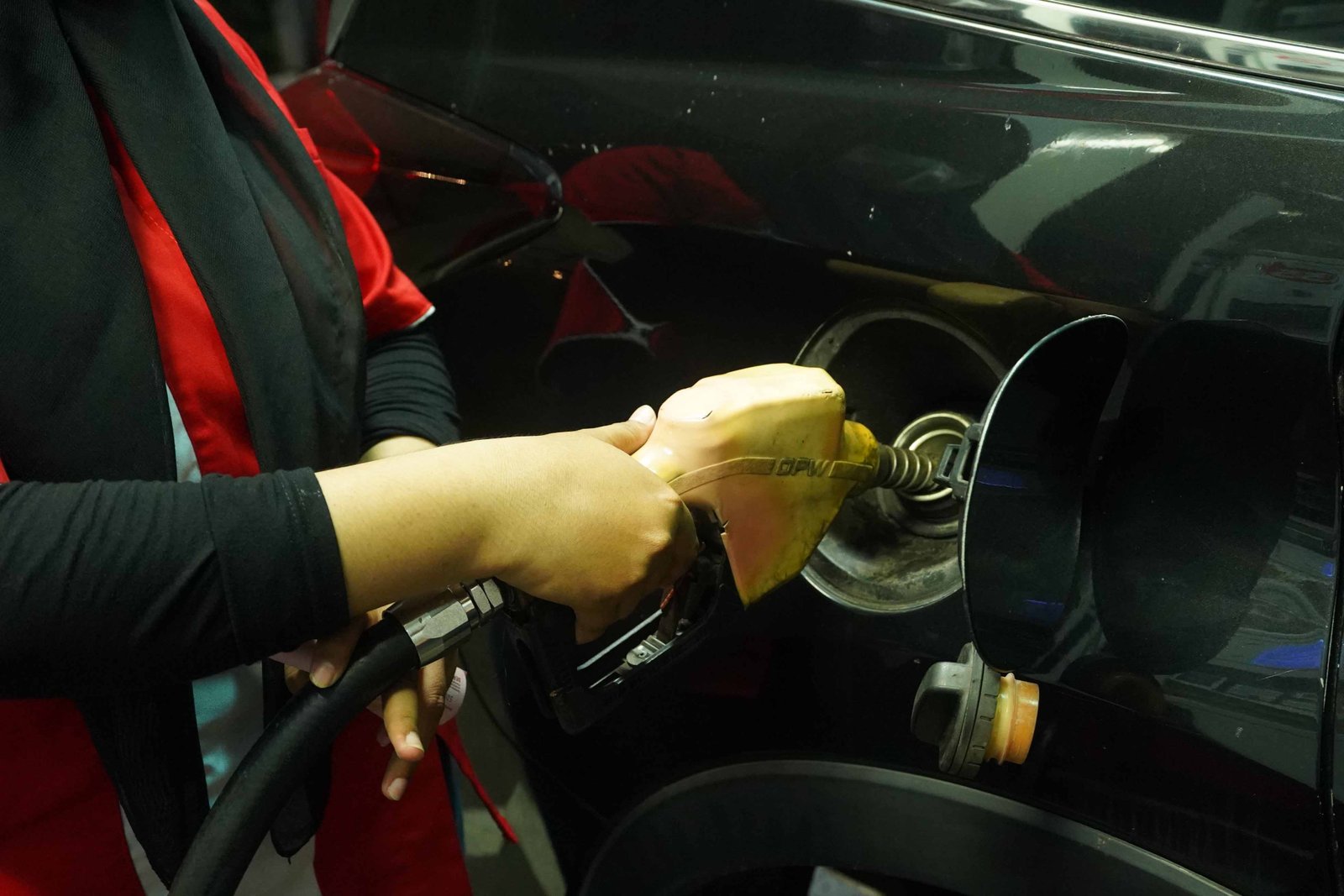
Indonesia's government has frozen the retail price of subsidized RON 90 Pertalite gasoline at Rp 10,000 ($0.63) per liter through December 2026, even as state-owned Pertamina and private operators implemented sharp price hikes on commercial diesel lines. This policy aims to shield consumers from volatile global benchmark swings but risks breaching national fiscal quotas as motorists shift to cheaper, subsidized options.
This dual-track fuel pricing strategy is critical for Indonesia's energy markets, balancing social stability with fiscal sustainability. The widening disparity between subsidized and market-rate fuels intensifies pressure on the national budget and raises operational costs for commercial transport, drawing close scrutiny from foreign institutional investors monitoring sovereign fiscal discipline.
Executive Summary
The Indonesian government has committed to maintaining the retail price of subsidized Pertalite gasoline at Rp 10,000 per liter until the end of 2026, a move designed to protect household purchasing power amidst rising global crude prices. Concurrently, state-owned Pertamina and private retailers like Shell and BP-AKR have significantly increased commercial diesel prices, with premium diesel surging above Rp 25,200 ($1.58) per liter. This divergence is causing a widespread consumer migration from unsubsidized to subsidized fuels, threatening to exceed annual budget volume quotas and escalating fiscal pressure on the national budget.
What Happened
On September 1, 2026, the Indonesian government confirmed its decision to freeze subsidized RON 90 Pertalite gasoline prices at Rp 10,000 per liter through December 2026. Simultaneously, PT Pertamina (Persero), BP-AKR, and Shell implemented steep price increases for commercial diesel, with premium diesel fuels surging above Rp 25,200 per liter. This policy aims to mitigate the impact of high global crude prices on consumers but has led to a significant shift in consumer behavior towards cheaper, subsidized options.
Key Developments
- Subsidized Price Freeze: Indonesia's government has frozen RON 90 Pertalite gasoline prices at Rp 10,000 ($0.63) per liter until December 2026.
- Commercial Diesel Hikes: Pertamina and private operators raised commercial diesel prices, with premium diesel exceeding Rp 25,200 ($1.58) per liter.
- Fiscal Pressure Mounts: The widening price gap is driving consumers to subsidized fuels, threatening to breach budget quotas and increase fiscal strain.
Regional Context
As Southeast Asia's largest economy, Indonesia's fuel subsidy policies have significant regional implications, influencing trade flows and energy pricing dynamics across the ASEAN bloc. The government's balancing act between energy security and fiscal prudence is closely watched by neighboring countries facing similar energy transition challenges.
Market Impact
Traders and refiners will observe increased demand for subsidized fuels, potentially impacting import requirements and domestic refinery runs for unsubsidized products. Analysts will closely monitor the government's fiscal response to potential budget overruns, while commercial transport and logistics sectors face rising operational costs due to higher market-rate diesel prices.
Outlook
The government will continue monitoring the scale of quota overage and consumer migration, with potential adjustments to policy or enforcement measures expected if fiscal pressures become unsustainable. The long-term sustainability of this dual-pricing mechanism remains a key watchpoint for Indonesia's energy future.