The United Arab Emirates significantly increased its crude oil production to an all-time high of 4.1 million barrels per day in June, according to the International Energy Agency, showcasing a bold post-OPEC+ strategy. This surge underscores Abu Dhabi's assertive response to recent disruptions in the Persian Gulf and its newfound freedom from output constraints.
This development is crucial for global energy markets as it signals a major Middle Eastern producer's willingness to independently ramp up supply, potentially easing tightness caused by recent geopolitical events and the Strait of Hormuz disruptions. The UAE's record output, achieved through innovative shipping tactics, challenges traditional supply management dynamics and adds a new layer of complexity to the global crude balance.
Executive Summary
The UAE's crude output reached an unprecedented 4.1 million barrels per day in June, as reported by the IEA, surpassing its 2020 peak during an OPEC+ price war. This aggressive increase, following the UAE's departure from OPEC+ in April, highlights its strategic shift to maximize production capacity. The country employed various tactics, including its own fleet and "dark" tankers, to ensure exports amidst regional shipping challenges.
What Happened
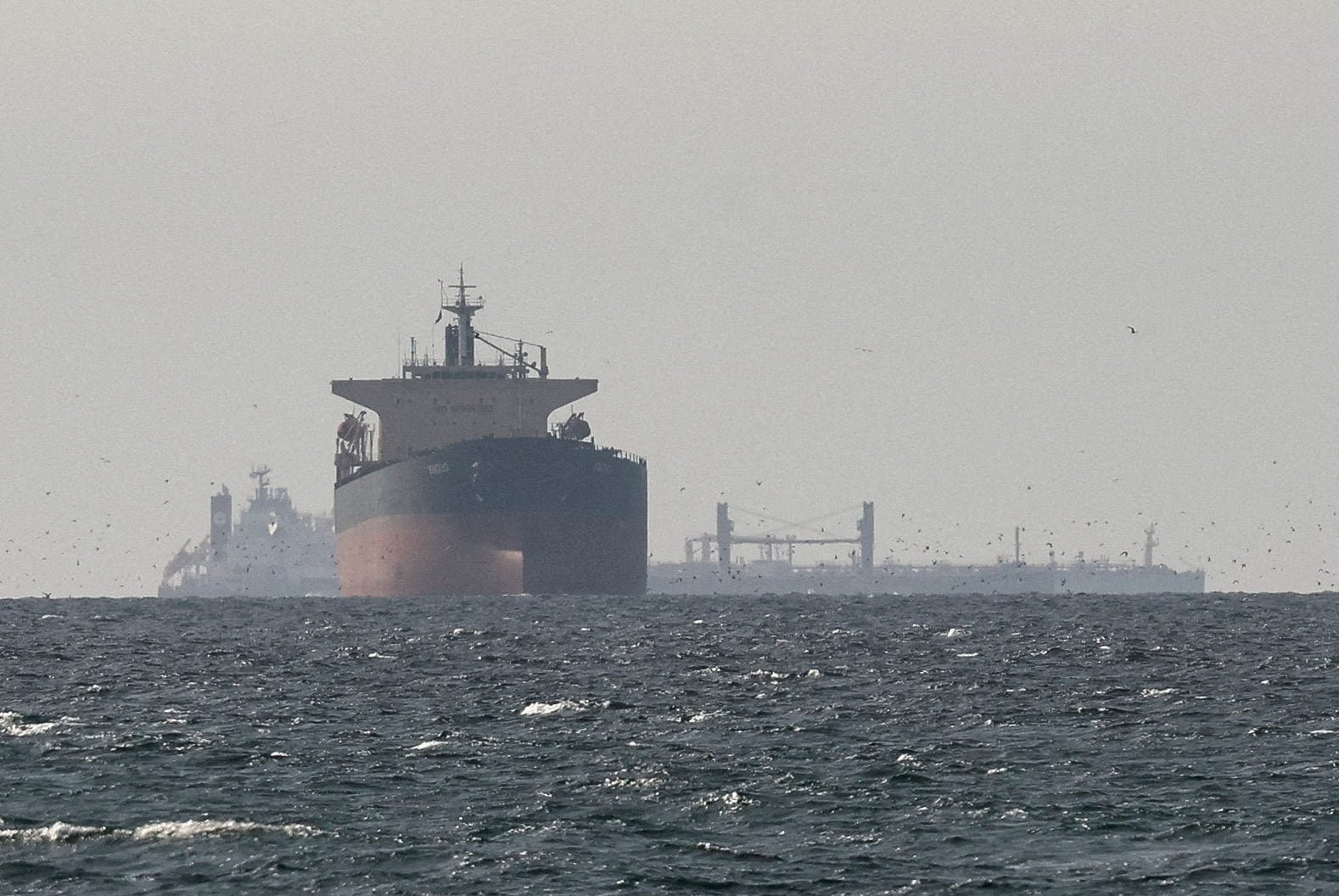
The United Arab Emirates boosted its crude oil production to a record 4.1 million barrels per day in June. This increase occurred after the UAE exited the OPEC+ alliance in late April 2026, allowing it to operate without production limits. The country utilized its own large fleet and hired additional vessels, some operating with transponders off, to facilitate exports despite recent attacks on commercial shipping in the Strait of Hormuz.
Key Developments
- Record Output Achieved: UAE crude oil production hit an all-time high of 4.1 million barrels per day in June, as confirmed by the IEA.
- Post-OPEC+ Strategy: The surge follows the UAE's exit from OPEC+ in April 2026, freeing it from previous output quotas and enabling independent policy.
- Innovative Export Tactics: The UAE employed its own fleet and reportedly utilized "dark" tankers to maintain export flows amidst regional shipping disruptions and security concerns.
Regional Context
The UAE's actions are a direct response to the disruption caused by the recent Iran war and the partial closure of the Strait of Hormuz, demonstrating a divergence in energy policy among Gulf neighbors. While Saudi Arabia also neared pre-war export levels, the UAE's move is particularly notable given its recent departure from the OPEC+ framework.
Market Impact
This significant increase in UAE crude supply contributes to signs of oversupply in key regions, helping to erase the war-time rally in oil prices. Traders and refiners will closely monitor the sustainability of these elevated export levels and the potential for other producers to follow suit, influencing future crude benchmarks and regional pricing.
Outlook
The market will keenly watch whether the UAE can sustain this record output and how its independent strategy impacts future OPEC+ decisions and global supply-demand dynamics. The effectiveness of its innovative shipping methods will also remain a critical factor in maintaining consistent export volumes.